A lawn installation that fails in the first season almost always fails below the surface, in the grade, the soil, or the decision to skip prep and go straight to sod. On the Eastern Shore, where soils range from sandy river-neck ground to heavy clay on older lots to compacted fill on new construction sites, what works in a generic lawn care handbook often doesn’t translate.
Here’s how we approach it.
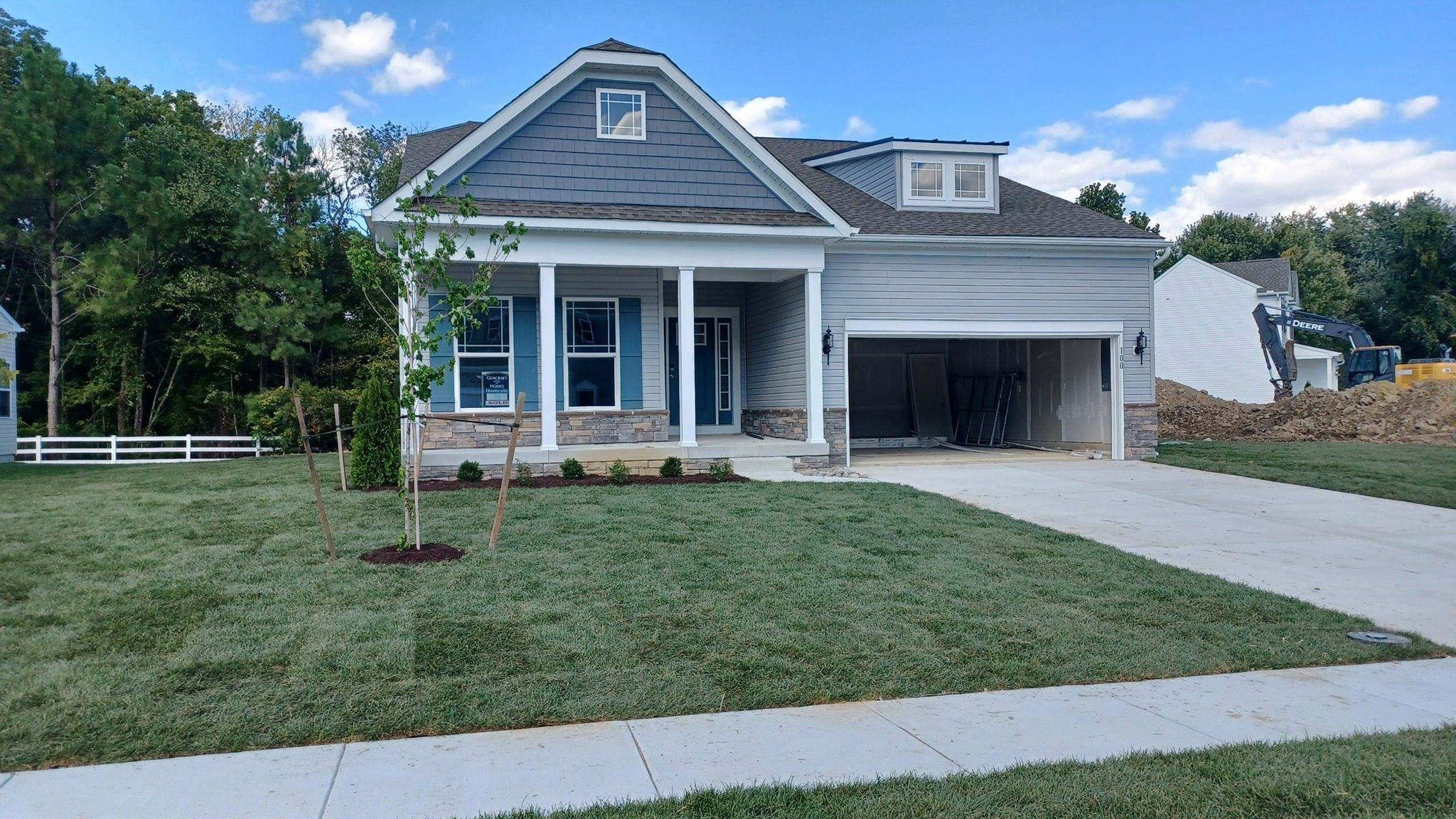
The Ground Comes First
Before anything goes down (sod, seed, or straw) the ground has to be right. This sounds obvious but it’s where most failed installs go wrong.
Grading is the first conversation. Low spots collect water. Poor grade near a foundation pushes drainage toward the structure instead of away from it. On properties with any slope, runoff cutting across bare soil after a rain event will wash seed or undercut newly laid sod before it has a chance to root. We assess grade before installation, not after the first storm.
Soil testing tells us what we’re actually working with. Eastern Shore soils vary considerably, sandy and fast-draining in some areas, dense clay in others, often heavily compacted after construction equipment has worked a site. A soil test identifies pH, nutrient levels, and organic matter content. Lime, organic amendment, and topsoil import where needed are part of a proper installation, not extras.
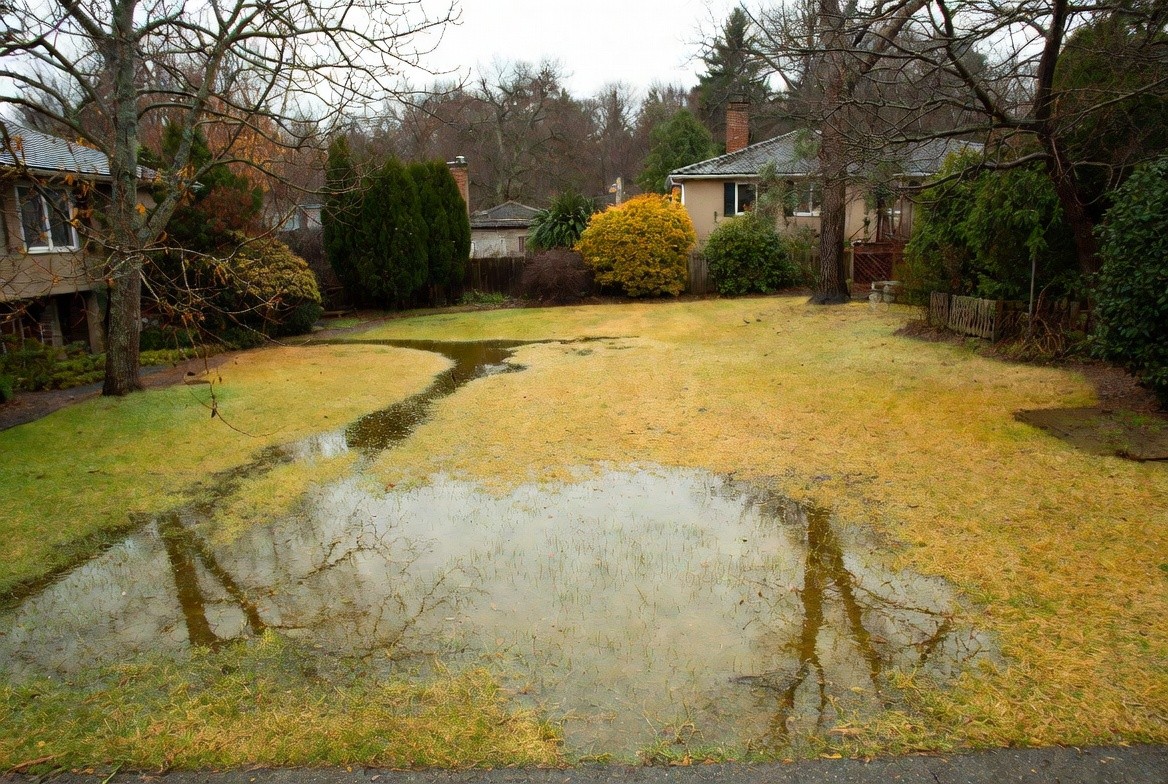
Drainage comes up constantly on the Shore. Flat topography and high water tables in low-lying areas mean water has nowhere to go fast. A lawn installed over a drainage problem won’t hold regardless of how good the sod is. If there’s pooling, a wet spot that doesn’t dry out, or runoff from a neighboring property crossing the site, those get addressed in the prep phase.
Sod vs. Seed: The Actual Decision
The choice between sod and seed isn’t just about budget. It’s about the site, the timeline, and what you’re trying to accomplish.
Sod makes sense for high-visibility areas where immediate coverage matters, entry courts, front yards, HOA common areas, anything that’s going to be seen and used before a seed-and-straw install could establish. It’s also the right call on slopes where seed won’t stay put, and on sites with erosion risk. The tradeoff is cost and the need for careful soil prep before installation, sod laid on poor grade or uneven ground will show every imperfection.
Seeding is the right call for larger areas, sloped terrain where overseeding into existing turf makes more sense than full replacement, or situations where budget constraints rule out sod. Seed mixes on the Eastern Shore are selected for regional conditions, drought tolerance for the sandier soils, shade tolerance under canopy, salt tolerance for waterfront exposures where salt spray and tidal influence affect turf health.
Timing matters for both. Spring and fall are the installation windows. Summer heat on the Shore (combined with the humidity and the stress a new lawn is already under) makes midsummer installs risky. We schedule around the growing season, not around what’s convenient.
The Establishment Window
What happens in the first six to eight weeks determines whether the installation holds. This is where a lot of DIY installs fall apart. The work goes in correctly but the aftercare plan isn’t there.
Newly installed sod needs consistent moisture for the first two to three weeks until roots start knitting into the soil below. Too much water and you encourage shallow roots and disease. Too little and the sod dries out at the edges before it establishes. We give every installation a clear aftercare plan, watering schedule, when to hold off foot traffic, what the first mow should look like and when to do it.
Seeded areas need protection from heavy rain and foot traffic while germination happens. Straw application rate, seed-to-soil contact, and timing relative to the growing season all factor in.
After the Lawn Is In
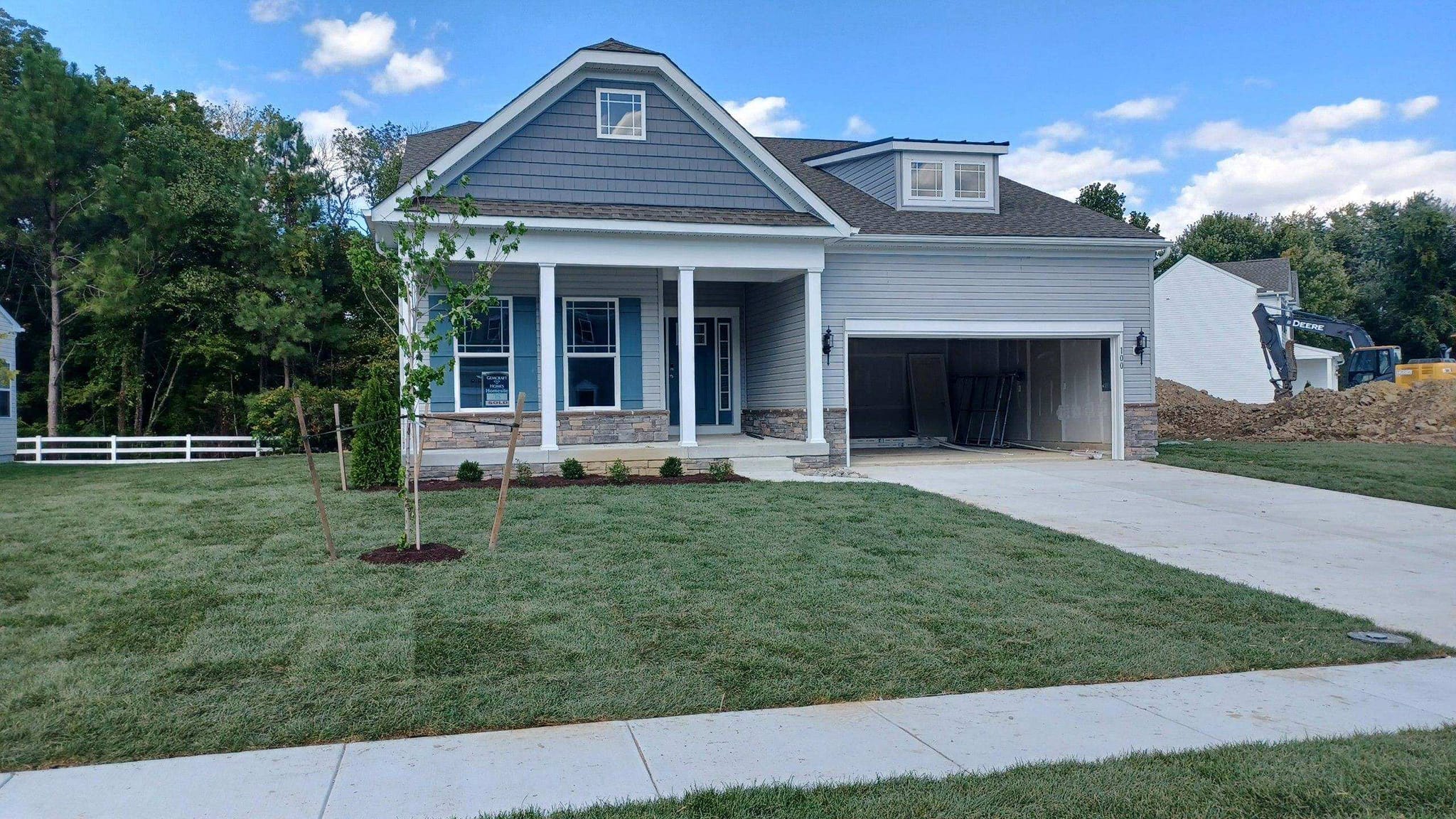
A properly installed lawn is the starting point, not the finish line. The first growing season establishes whether the root system is deep enough to handle the Shore’s summer dry spells. Year-round maintenance (fertilization under our MDA license, weed control before problem species get established, overseeding thin spots in fall) is what keeps an installed lawn performing long-term.
We pair most of our installation work with year-round maintenance plans so the establishment window gets the attention it needs and the lawn doesn’t get handed off and forgotten.
If you’re looking at a lawn install this spring (new construction, renovation, or a common area that needs proper work) we serve the full Delmarva Peninsula across Maryland, Delaware, and Virginia. Request a free estimate or call (443) 205-4415 to schedule a site visit.