Phragmites Control
Licensed phragmites control and invasive common reed management for waterfront estates, farm properties, and marsh-edge parcels across the Delmarva Peninsula, Eastern Shore MD, DE & VA. Marshall Property Management.
Phragmites is not just a tall grass.
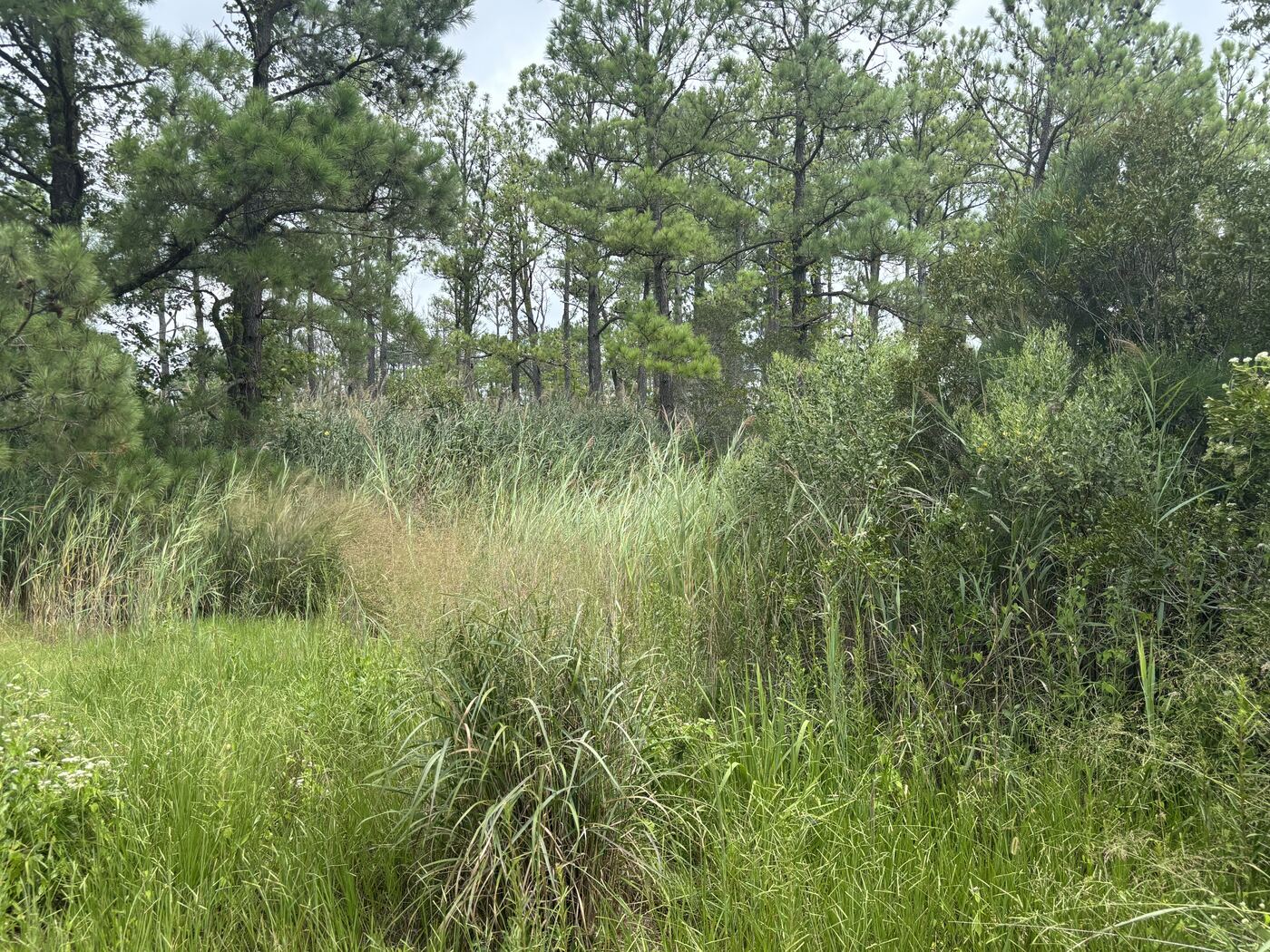
Common reed (Phragmites australis) grows twelve to fifteen feet tall, spreads through an aggressive underground rhizome network that can extend twenty feet or more per year, and produces seed heads that disperse widely in fall winds. The invasive European genotype that dominates the Eastern Shore has been outcompeting native marsh vegetation since the early 19th century.
What makes it genuinely difficult is the rhizome system. Cutting phragmites without treating the root system accomplishes almost nothing, the plant regrows from the rhizome within a single growing season, often more vigorously than before. Effective control requires a licensed foliar herbicide application timed to the plant’s active growth period, followed by monitoring and retreatment. It is a multi-year commitment on most established stands, not a one-time fix. Treatment near tidal water requires an MDA Pesticide Applicator license; our licensed applicators know what’s permitted and what works.
Growth Rate
Height
Root System
Treatment Window
Three reasons phragmites wins when people try to handle it themselves.
Most property owners who try to address phragmites on their own cut it, burn it, or spray something that isn’t labeled for the setting. All three approaches either fail outright or make the problem worse. Phragmites management is also a natural part of the estate maintenance and farm maintenance programs we run across the Shore.
Cutting Without Treatment. Mechanical cutting removes the above-ground biomass but does nothing to the rhizome network. The plant responds by sending up new growth, often denser than before, within the same growing season.
Wrong Product, Wrong Timing. Not all herbicides are approved for use near tidal or jurisdictional wetlands. Using a product that isn’t labeled for the setting creates regulatory exposure and often fails to control the stand. Applications outside the late-summer window move herbicide into leaf tissue instead of down to the rhizome.
No Follow-Up Program. Even a properly timed treatment rarely eliminates an established stand in a single application. First-year treatment knocks back the above-ground stand and stresses the rhizome. Follow-up in subsequent seasons addresses regrowth from surviving rhizome tissue and new seedling establishment.
Site Assessment
Treatment Plan
Licensed Application
Monitoring & Follow-Up
Native Restoration Options
When we spray, and why the timing decides the result.
Phragmites runs on its own schedule and treatment has to match it. From spring through midsummer the reed is building stems and leaves, and it moves sugar upward to do that. Herbicide applied in that stretch travels with the sugar into leaf tissue that was going to die back in the fall anyway. The stand browns off, the rhizome under it comes through the winter untouched, and the reed is back the following June.
Somewhere around the middle of August the flow turns around. The plant pulls carbohydrate down into the rhizome to bank it for next year, and what is on the leaf surface moves down with it. That is the window we treat in, from late summer until the first hard frost. It is the difference between a stand that looks controlled and a stand that is dying at the root.
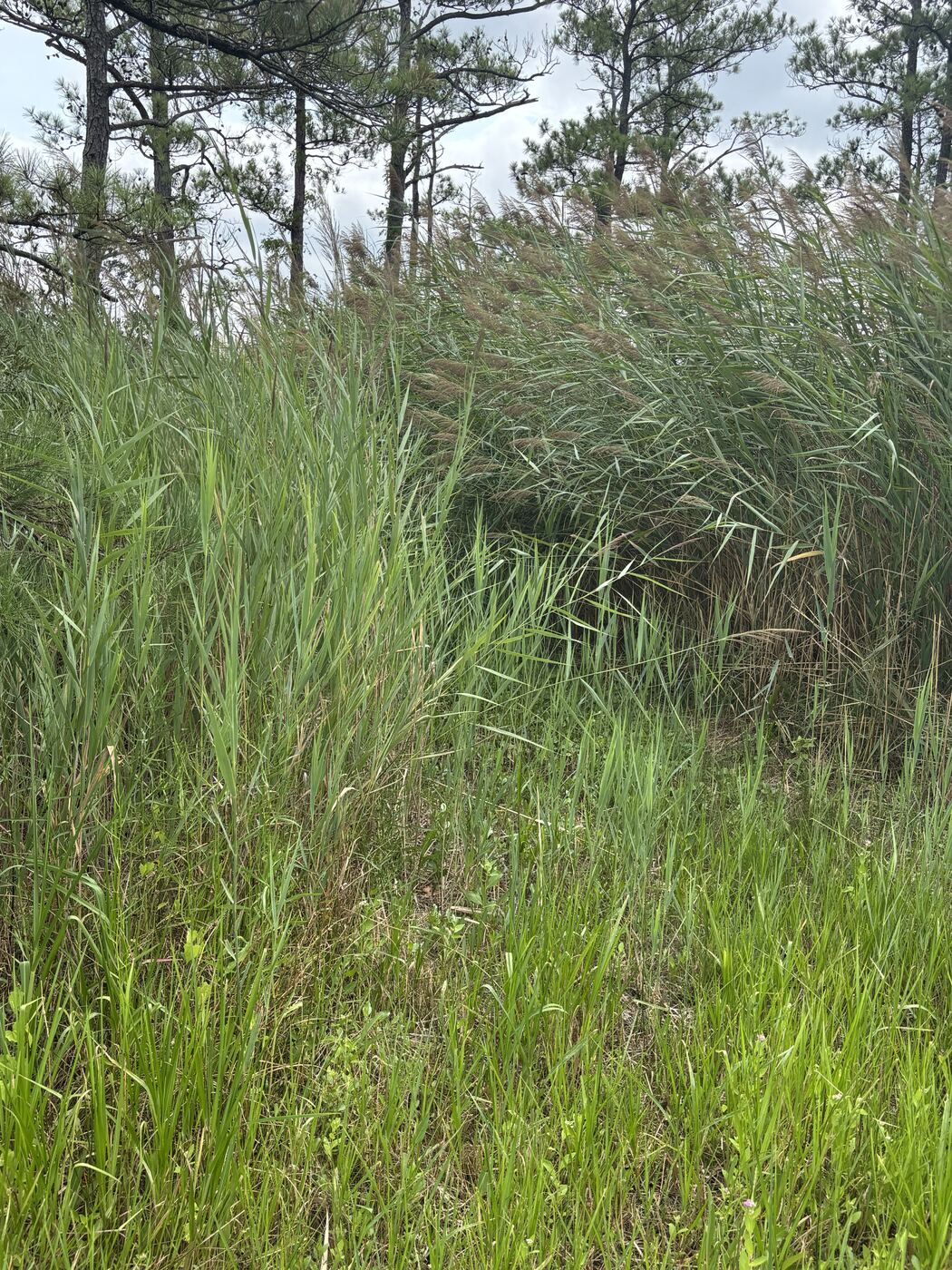
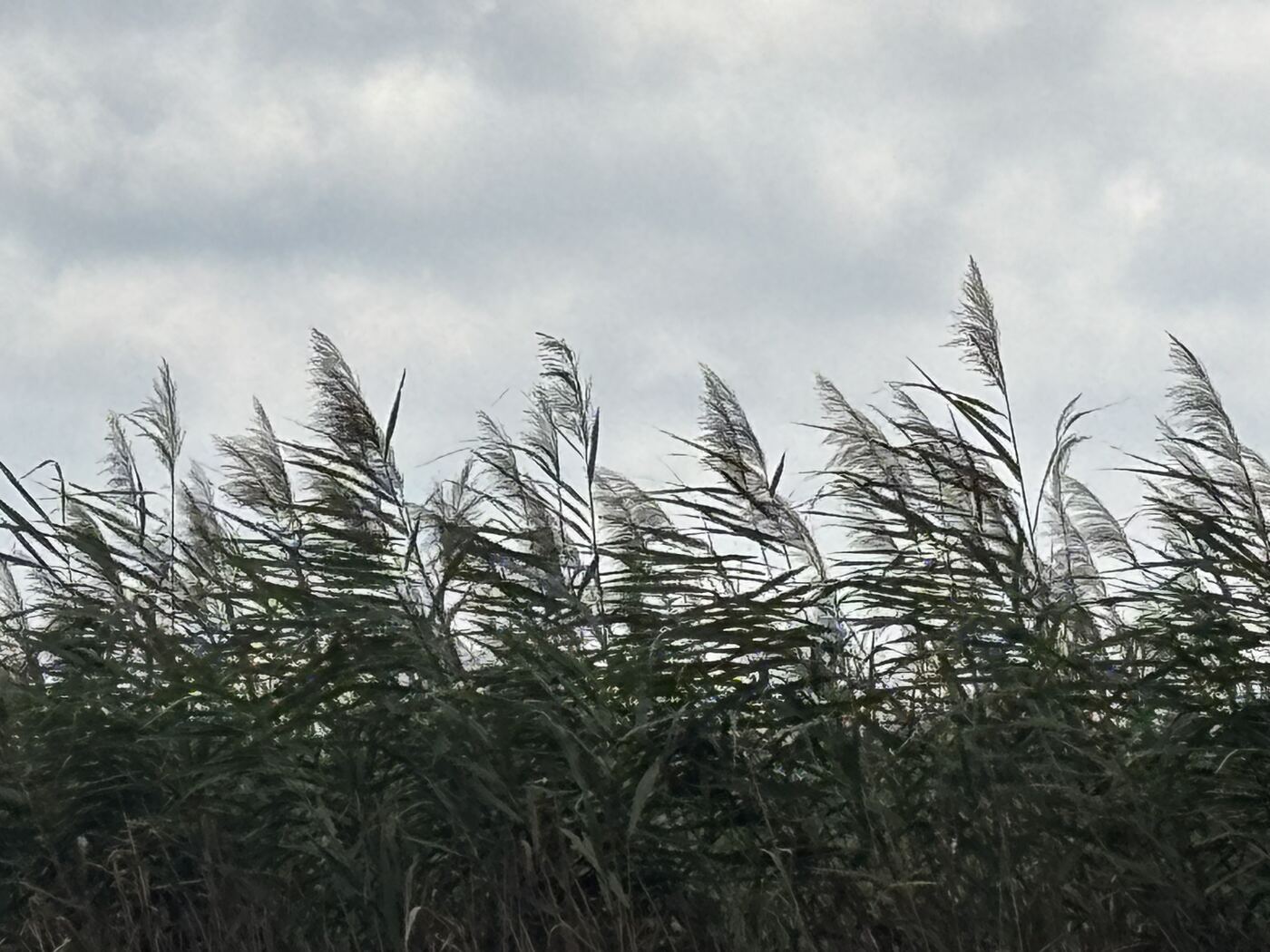
Seed is how it reaches new ground. An established stand thickens by rhizome, so seed is not what makes an existing patch worse. Seed is how phragmites arrives somewhere it has never been: a shoreline that just scoured out, a lot cleared over the winter, a ditch bank dug clean in the fall. The plumes come on in late summer, hold on the stem, and release into the wind and onto the water for months. Getting a stand treated before that shed matters to the properties around you as much as to yours.
Winter and early spring are for cleanup and counting. Dead canes stand through the winter. Mowing or rolling them down in late winter opens the ground back up for cordgrass and the other natives, and it makes the spring walk honest: new green shoots against flattened brown stems are easy to see and easy to count. That count is what sets how much retreatment the second year needs.
What phragmites brings with it.
The reed itself is the obvious problem, but a mature stand creates secondary issues that affect property value, usability, and site ecology. This is why we connect phragmites control to the insect management programs we run on estate and waterfront properties, the issues travel together.
Mosquito & Tick Habitat. Dense stands create ideal conditions for mosquito breeding and tick overwintering. The shaded, humid interior of an established stand is one of the most productive mosquito habitats on a Shore waterfront property.
Water View Obstruction. A stand at twelve feet can eliminate water views from a first-floor perspective in two to three seasons, on waterfront properties where the view is a significant part of the value, this is not a cosmetic issue.
Native Marsh Displacement. Invasive phragmites outcompetes cordgrass, cattail, and native species that provide far greater ecological value for Chesapeake Bay waterfowl and fish nursery habitat.
Poison Ivy Cover. Poison ivy thrives in phragmites edge zones, using the dense reed as a climbing structure and benefiting from the reduced foot traffic the stand creates.
The same marsh edges carry dodder.
Phragmites work means walking a lot of marsh edge, and this is the other thing we find out there. Dodder is a parasitic vine, orange and stringy, with no leaves and no roots in the ground once it has taken hold. It drops over marsh elder, groundsel and goldenrod in mats and feeds straight out of their stems.
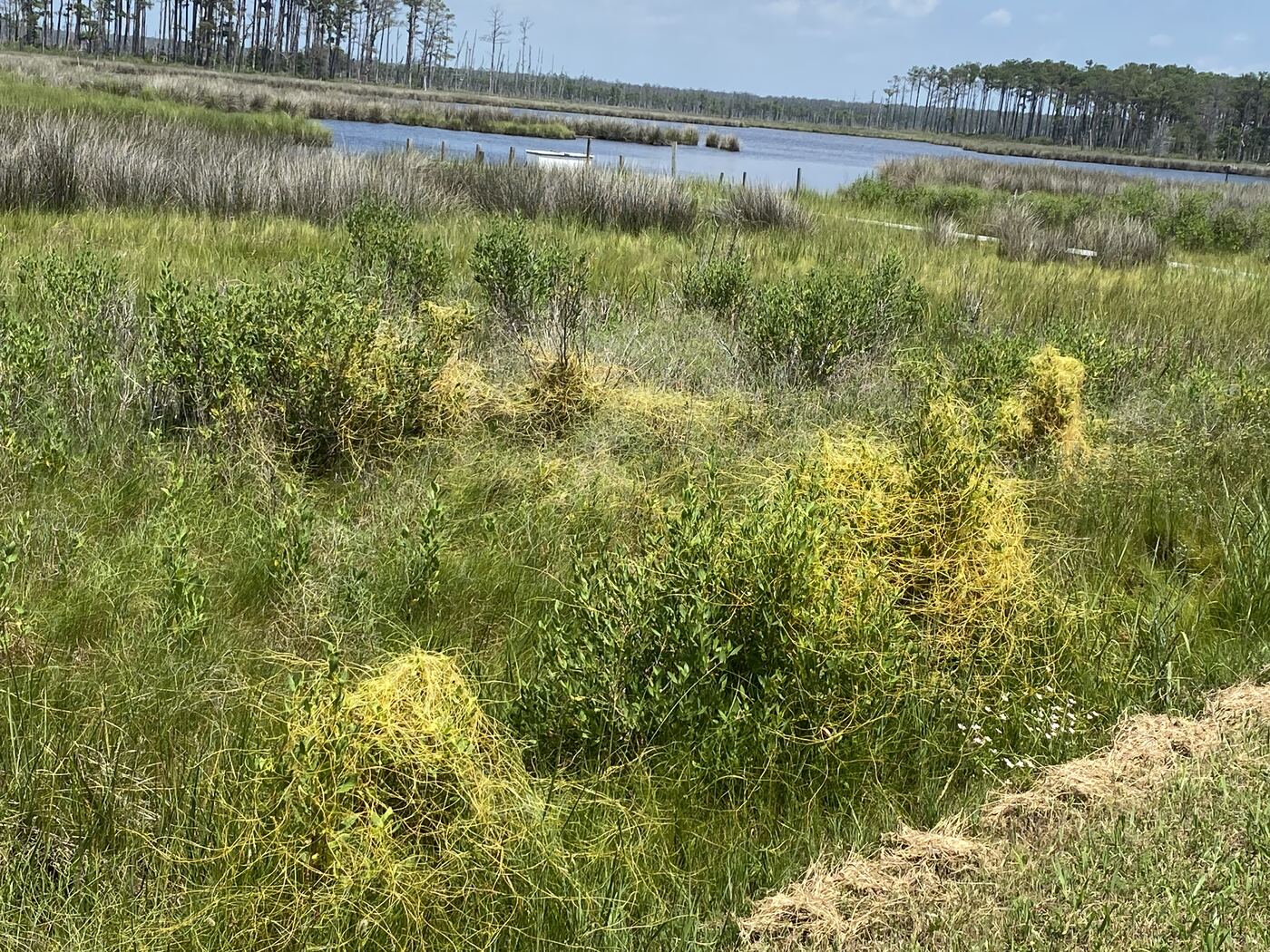
It behaves nothing like phragmites and it is not treated the same way, so it is covered in full on the weed control page.
Phragmites control across the Delmarva Peninsula.
We work on waterfront estates, farm properties, HOA common areas, and residential lots across Maryland’s Eastern Shore, Delaware, and Virginia’s Eastern Shore. Cambridge is our base, within reach of the tidal tributaries, farm fields, and Bay-adjacent properties where phragmites pressure is most severe.
Upper Shore. Kent, Queen Anne’s, Cecil, Talbot counties. Chester, Wye, Corsica, Miles, Tred Avon waterfront.
Mid Shore. Dorchester and Caroline counties. Choptank corridor, Blackwater watershed, Cambridge area farm and waterfront parcels.
Lower Shore. Wicomico, Somerset, Worcester. Nanticoke River, Pocomoke Sound, Tangier Sound.
Delaware. Sussex and Kent counties along tidal drainages, farm ditches, and coastal wetland edges.
Virginia. Accomack and Northampton counties. Chincoteague, Onancock, and barrier island sound-side properties.
The properties with the best long-term results are those where phragmites monitoring and treatment is built into an annual program rather than addressed reactively. Most waterfront estate clients include it as a component of their year-round maintenance plan. For standalone control projects, a site assessment is always the starting point.
Schedule an Assessment · See also: Weed Control · Environmental Services · Insect Control