As this goes up, a nor’easter is working its way up the coast, and its worst stretch is lining up with the full moon on Saturday, September 26. The National Weather Service has a coastal flood warning out for Dorchester, Wicomico and Somerset counties through early Friday, with one to two feet of water over the ground in low spots near shorelines and tidal creeks. Across the Bay and down on the Virginia side of the peninsula, tide gauges are forecast to run two feet or more above normal on every high tide from Wednesday into the weekend.
We see some version of this every fall. This post covers why the water gets as high as it does, what to do while it is up, and what to look at once it goes back down.
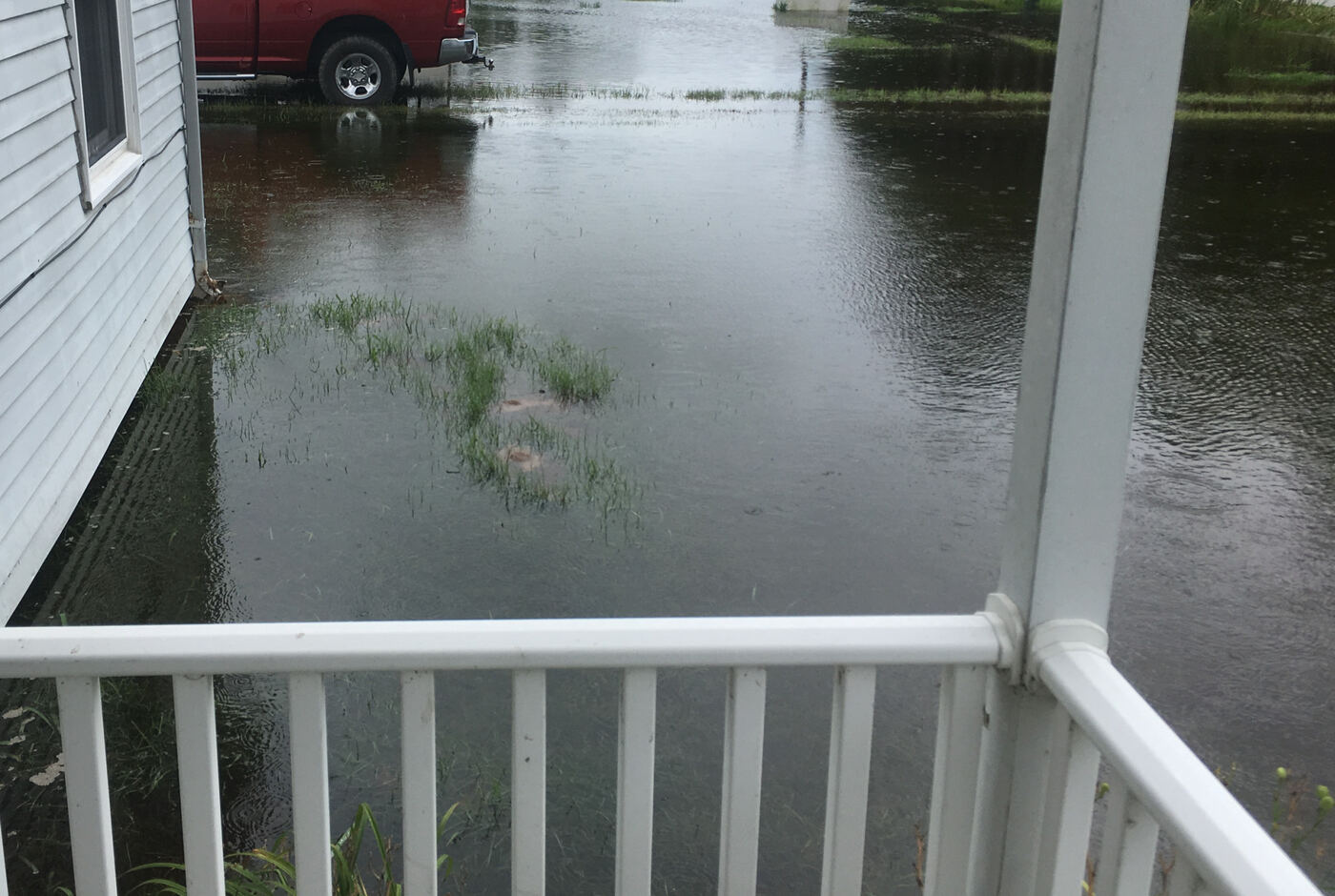
Why the Water Is Already Up Before the Storm Gets Here
In a lot of low-lying places on the Shore, the flooding starts well before the rain. Lower Dorchester, the islands and the necks of Somerset, the creeks off the Nanticoke and the Wicomico: yards and roads there are going under this week while the sky is still mostly dry.
That is the wind. A nor’easter spins up offshore and blows out of the northeast for days before its center gets anywhere near us. That steady wind pushes ocean water toward the coast and into the mouth of the Bay, and it keeps it there. On a normal day the tide comes in, goes back out, and the ground drains between the two. With the wind holding the water in, the low tide never gets very low. The next high tide starts from a higher level than the last one, and after a few cycles it is spilling over ground that only floods a handful of times a year.
The ground is already full too. Ditches are running high, the water table is up near the surface, and marsh soil is soaked. When the rain finally arrives it has nowhere to go, so it sits on top of the tide water that is already there.
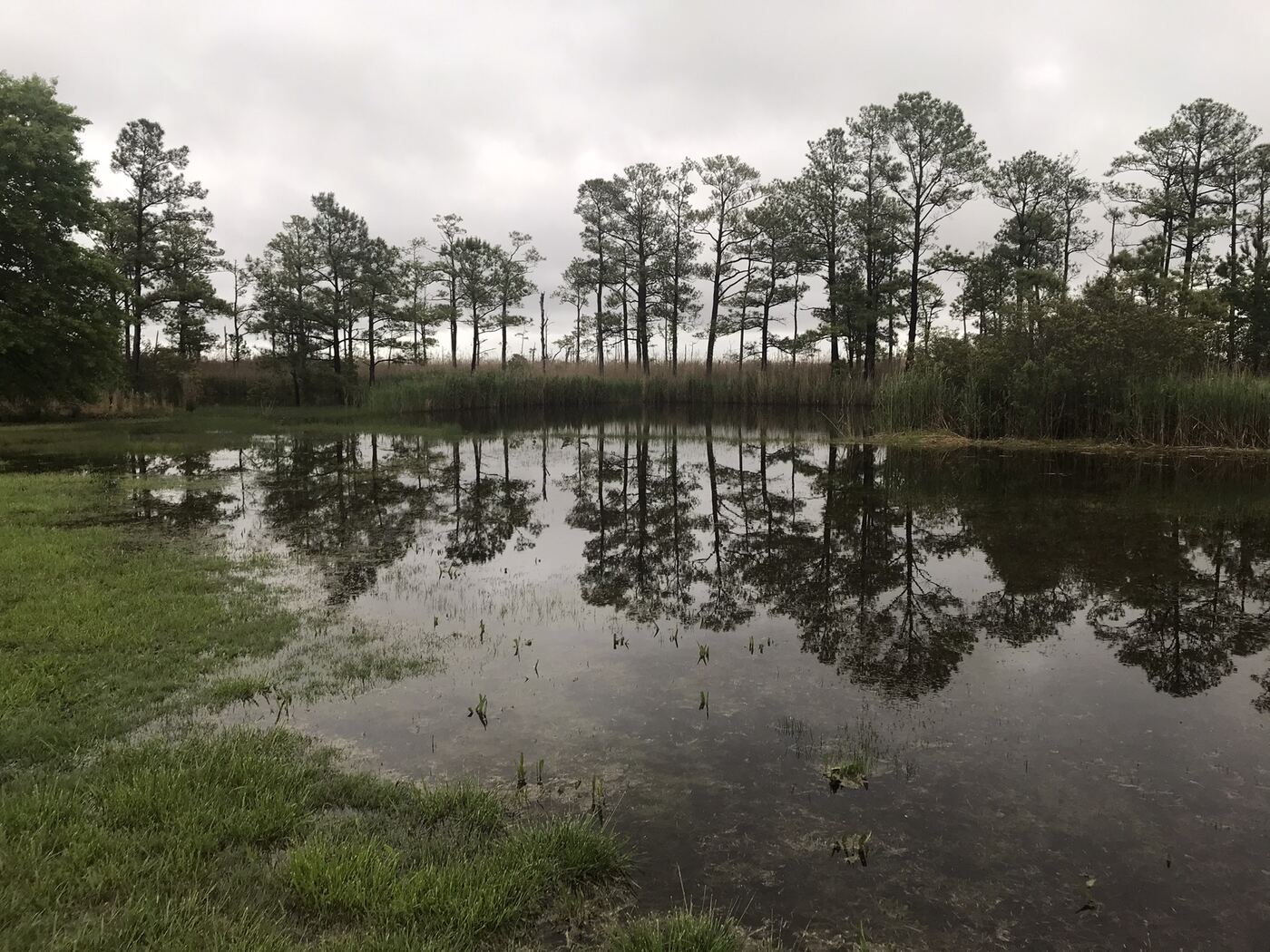
What the Full Moon Adds
Twice a month, at the full moon and the new moon, the sun and the moon line up and pull in the same direction. Those tides run higher at the top and lower at the bottom than the ones in between. They are called spring tides, which has nothing to do with the season. Around the fall equinox, which came on Tuesday this week, they tend to run a little higher still, and fall brings some of the highest tides of the year on the East Coast.
Saturday’s full moon is the Harvest Moon, the name for whichever full moon lands closest to the fall equinox. For a few nights around it the moon comes up at dusk, not long after sunset, which gave farmers extra light to bring in crops late into the evening. This year it falls four days after the equinox.
On the Bay the moon only accounts for part of it. The normal daily tide at Cambridge only rises and falls about a foot and a half. A strong wind that holds water in for a few days can add as much as that on its own. So when a nor’easter parks itself over a full-moon tide, you are stacking the two, and water that would have stopped at the bulkhead or the marsh edge keeps coming.
While the Water Is Up
- Keep ditches and culvert pipes open. A pipe clogged with leaves and marsh grass holds water on your ground long after the tide drops. If you can reach it safely, clear the inlet.
- Move what floats. Trash cans, firewood, lawn furniture, kayaks, loose dock boards. Anything the water can lift ends up in a neighbor’s yard or out in the marsh.
- Stay off saturated ground with trucks and mowers. Soaked soil ruts deep and compacts, and on a lawn those ruts are still there next summer.
- Look up. Wet soil and hard wind is when trees come down. Dead limbs over the house, the drive or a power line are worth noting now, so you know what to check first when it clears.
- Don’t drive through water over the road. You can’t tell how deep it is or whether the edge of the road is still there.
After It Drains: What to Check, and When
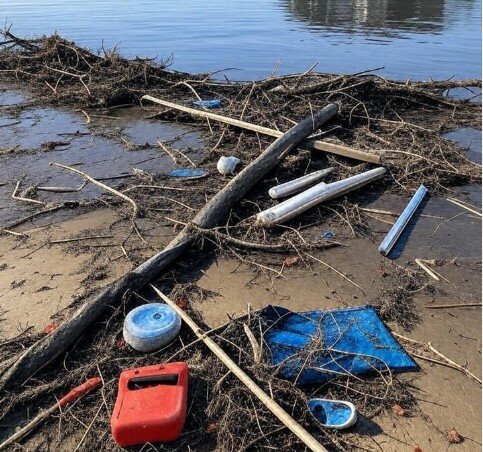
Debris along the high-water line
The tide leaves a line of debris at the highest point it reached. Some of it belongs to the marsh, like dead reed, eelgrass and cordgrass stems. That material breaks down, feeds the marsh, and holds soil while it does, so it can stay where it lands on the marsh side.
Lumber, trash, dock pieces, tires and anything with nails in it should come out. So should any thick mat of debris lying across your lawn. Grass smothered under a wet mat for a week or two dies back in patches, so get that off the turf sooner rather than later.
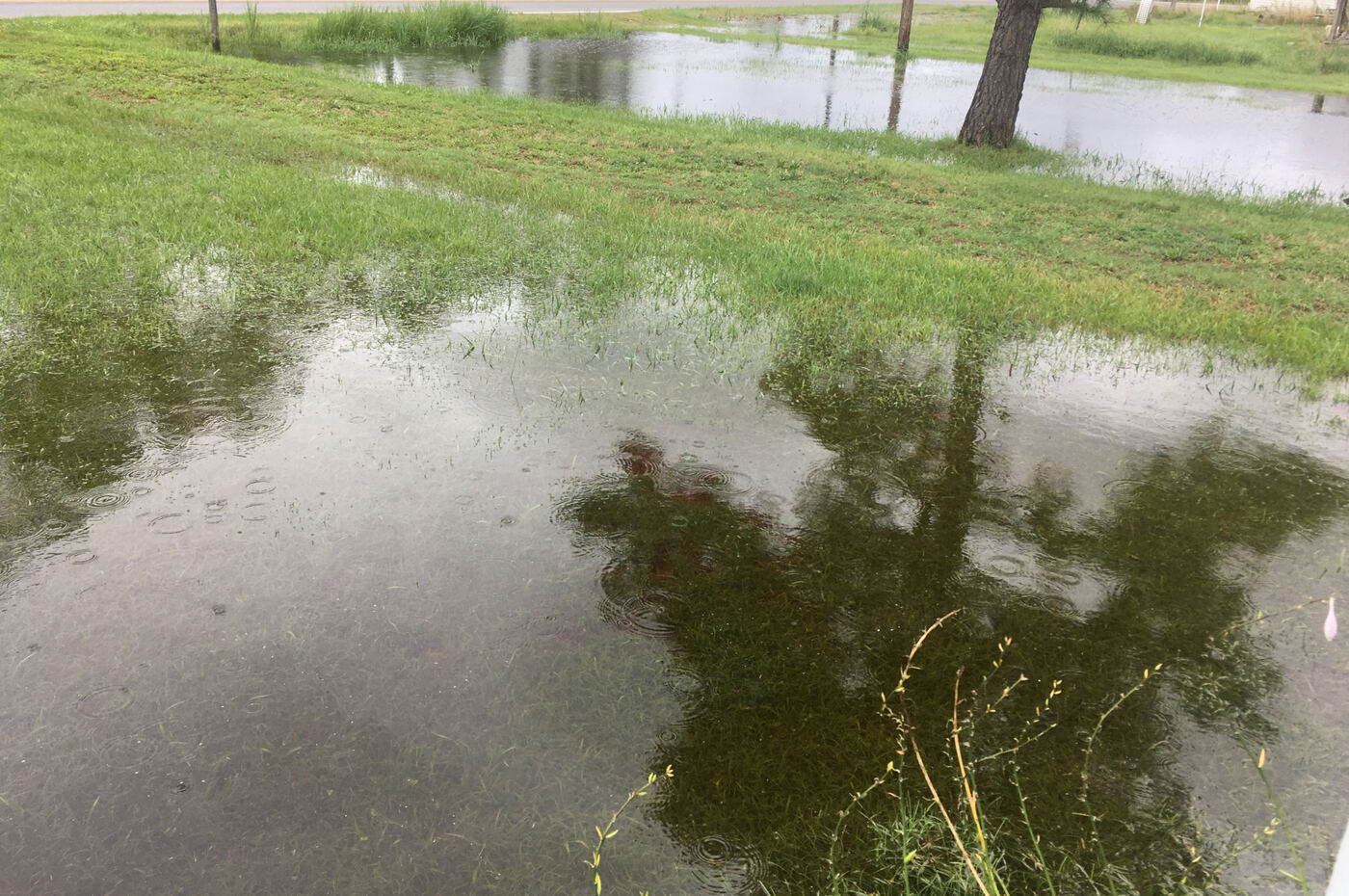
Salt on the lawn
After a tidal flood the lawn often turns brown or straw colored within a few days. Usually that is salt burn on the leaf blades, and the roots are often fine. Sandy Shore soil drains fast, and an inch or two of rain after the storm will wash a lot of the salt down and away from the roots. Rinsing with a hose or sprinkler helps if the weather turns dry.
Hold off on fertilizer and seed until the salt has had time to wash out. Fertilizer is itself a salt and only adds to the problem, and new seed sprouting into salty soil tends to fail. If a patch is still bare a few weeks out, a soil test that checks for salt will tell you whether it is safe to seed this fall or better to wait for spring. Gypsum gets recommended a lot after floods. It helps most on heavier clay soils where the salt holds on, and it does much less on the sandy ground found on most Shore properties.
Shrubs and evergreens
Salt damage on woody plants usually doesn’t show up right away. It can be weeks, sometimes not until spring, before needles turn brown from the tips back or a hedge that looked fine in October starts dropping leaves. Boxwood, azalea, some hollies and a lot of foundation evergreens are sensitive to salt. Wax myrtle, bayberry and groundsel bush handle it much better.
Don’t rush to cut out brown growth. Wait until spring when you can see which buds are still alive, then prune back to the live wood. Watering flooded beds heavily in a dry spell helps push the salt below the roots.
Trees
Soaked soil loosens roots, and trees are more likely to go over for a week or so after the storm than before it. Look for a tree that leans more than it used to, soil cracked or heaved up on one side of the trunk, or broken limbs hung up in the canopy. A tree that has shifted, or has a limb caught overhead, is a job for a crew with the right gear. We cut and chip storm wood regularly, and a lot of it goes back out as mulch.
Hardscape and driveways
Flood water carries silt and leaves it behind. Paver patios and walks can lose joint sand and fill up with mud instead, and a section that settled while the base was soaked will stay low. On stone and millings driveways, look for spots where the water cut channels or washed the stone away, and keep heavy trucks off soft spots until they firm up. There is more on why the base decides how a surface holds up in our driveway surface guide.
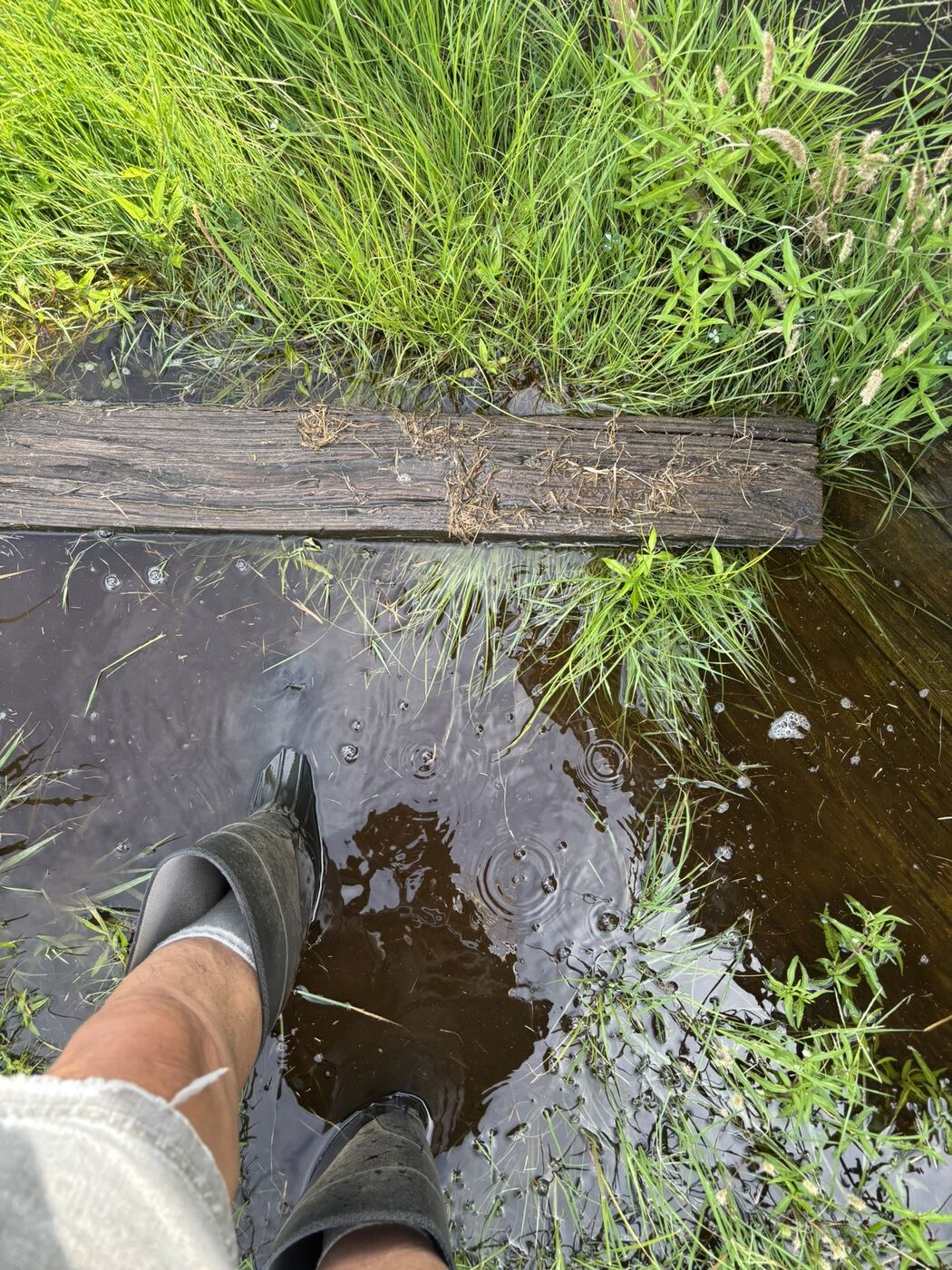
Salt water left in concrete and pavers makes freeze and thaw damage worse over the winter. Rinsing patios, walks and steps with fresh water once the flooding is over is worth the half hour. Our concrete repair post goes into what freeze and thaw does to a slab.
Pools
If flood water got into a pool, it brought silt, salt and whatever it picked up on the way, and the water chemistry will need to be started over. Be careful about draining it, though. With the water table this high, an empty in-ground pool can be pushed up out of the ground by the water underneath it, and fiberglass shells are especially prone to it. Talk to whoever services the pool before you pull the plug. If it is a salt system, our saltwater pool post covers the equipment side.
Getting Ready for Winter
This storm is early in the season. Nor’easters come through the Shore regularly from now into March, and several more of these high-tide stretches are likely before spring. The cleanup you do this fall, like clearing culverts, taking down dead limbs and pulling debris off the lawn, means the next flood starts with less to carry around.
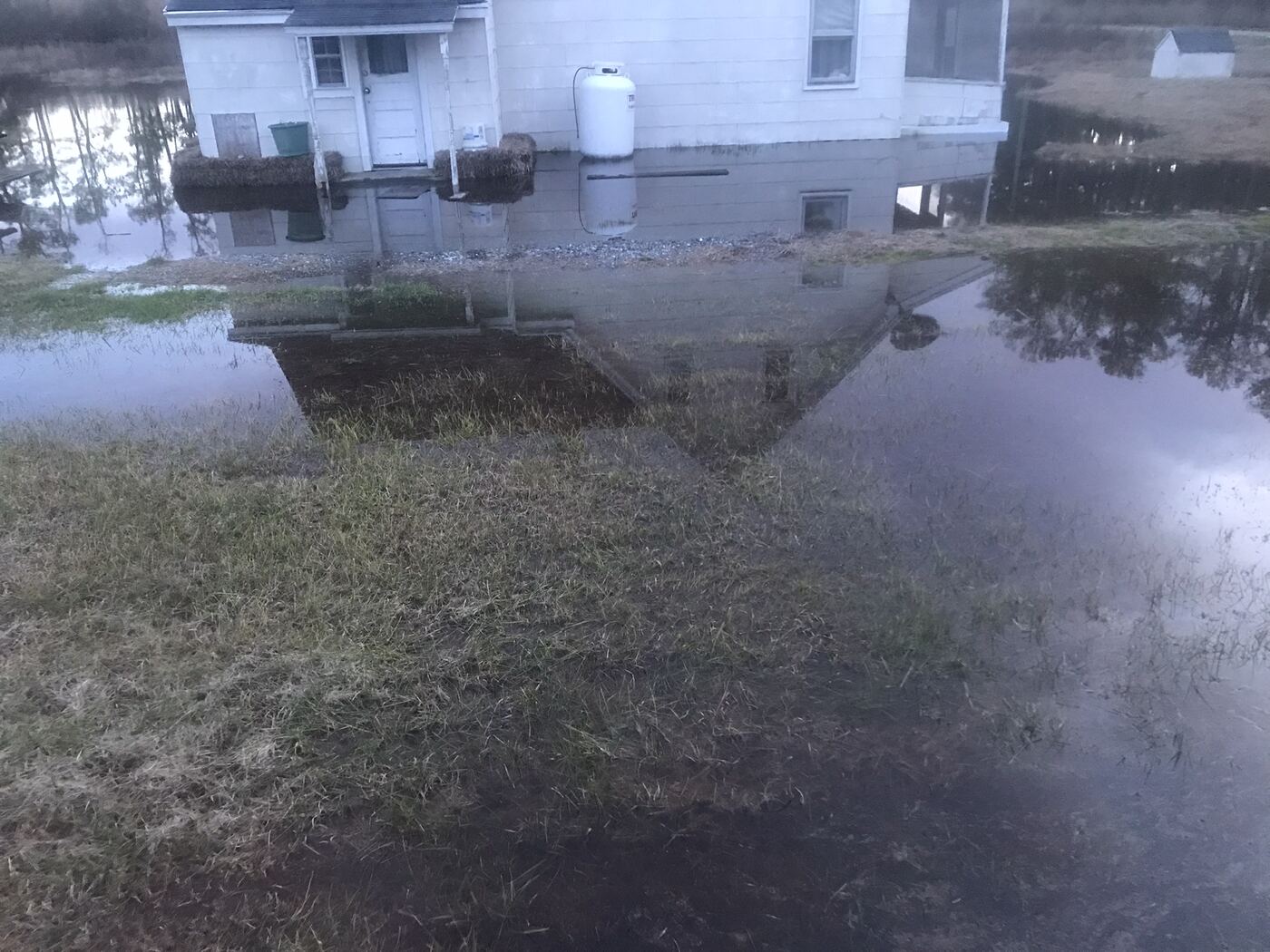
If your shoreline lost ground in this one, that is worth looking at before the winter storms add to it. Our riparian buffer post covers what keeps a bank in place when the water comes over it.
If you need help after this storm, send us the details or call (443) 205-4415. We handle storm cleanup, downed trees and limbs, debris removal and erosion control across the Eastern Shore, and we can walk the property with you and sort out what needs doing now and what can wait until spring.